|
What is mahraganat music & dance? Today our guest author Aasiyah explains the origin and cultural context of this musical genre that is taking the belly dance world by storm. 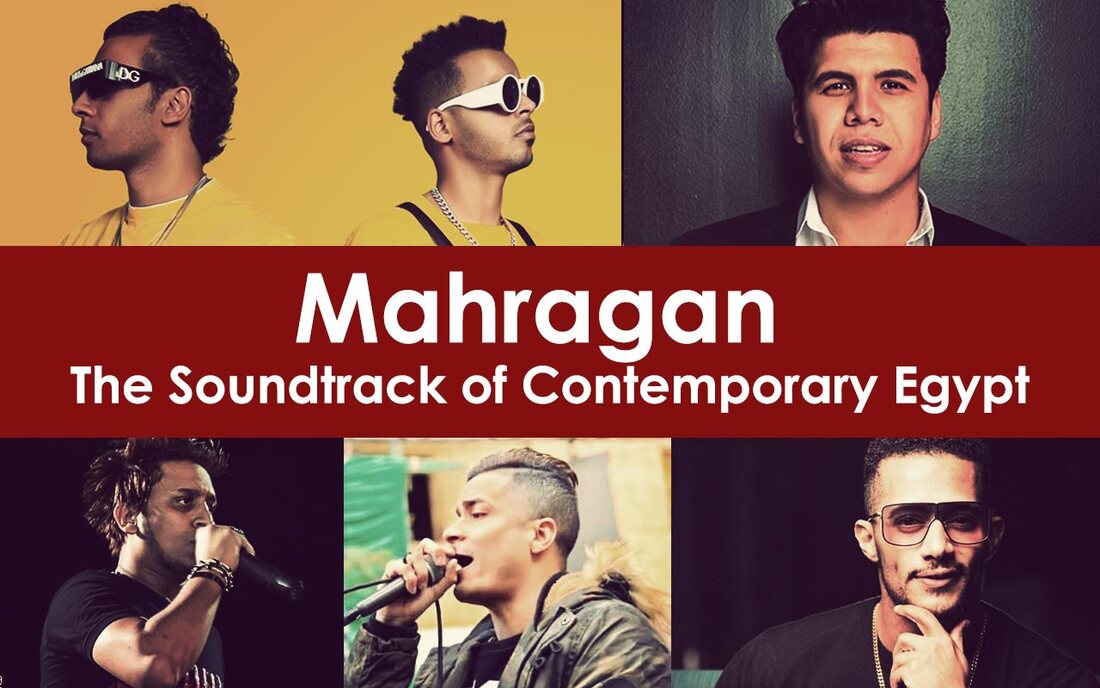 Recently there has been quite a bit of discussion in the belly dance world regarding mahraganat- the music, the dance associated with the music, its incorporation into belly dance performances, and costuming. Even though the music genre is incredibly popular, both in Egypt and abroad, there is still a good deal of confusion and misunderstanding of what is mahraganat. First, a vocabulary lesson: mahraganat (مهرجانات) translates to ‘festivals’, plural. Mahragan (مهرجان) translates to ‘festival’, singular. The style of music is named as such because of its origins. The music itself can be labeled as either mahraganat or mahragan; the words are used interchangeably. So, what are the origins of this music genre? I wrote and published an article in 2018 breaking down the history of mahraganat. Briefly, mahraganat is a type of music that originated from the lower socio-economic classes of Cairo. The genre began as an underground music movement when pioneering producers DJ Figo and Ala Fifty created loud, exciting music using predominantly synthesizers and autotune in the underground clubs of the Egyptian ghettos. 2012 concert featuring some of the original pioneers of Mahraganat: MC Amin, Saddat & Fifty From the Underground to the Vernacular The genre quickly moved from the underground clubs to sha3bi street weddings and into the broader Egyptian population when it became a soundtrack to the 2011 revolution. Mahraganat is a type of sha3bi music in the sense that it is a popular genre of music. However, just like sha3bi music is not pop music, mahraganat is not technically sha3bi music. The language/word choice, vocal usage, and composition are unique to mahragan. And even though mahraganat may sample some aspects of western hip hop and rap, it is neither of those things. Since the mid-2010s, the music genre has, for lack of a better term, blown up. Mahraganat is no longer reserved for underground parties or sha3bi weddings, or even for Egyptians as a matter of fact. The music is played in both high-end weddings, exclusive night clubs, cabarets, and tuk-tuks alike. The average Egyptian, the wealthy, the poor, the foreigner, all dance to this music. It is is played in clubs and restaurants in the west and has even attracted international musical collaborations such as Ya Habibi by Mohammed Ramadan (Egypt) and Gims (France). Multinational corporations like Orange™ and Vodafone use mahraganat artists in their branding. Mahraganat goes international: Ya Habibi by Mohamed Ramadan (Egypt) and Gims (France) Mahraganat & sha3bi in commercial branding: Oka w Ortega & Ahmed Sheba Orange™ commercial Popular Mahraganat Artists Like any other genre of music, the music within mahraganat varies. Artists like Hassan Shakoosh and Omar Kamal (Bint el Giran and Lghbatita) perform a style of mahraganat that is lighter in feeling and content.
Mohamed Ramadan, actor turned singer, used to predominantly perform mahraganat (Mafia) but has started to move into rap (Enta Gad3).
One artist who has made incredible moves on the Egyptian music scene, Wegz (Dorak Gai), performs trap (a type of hip hop that originated in the Southern US during the early ‘90s) not mahraganat. However, Wegz recently teamed up with Hassan Shakoosh to create Salka, mostly mahraganat with a trap flair.
Some mahragan songs have more of a sha3bi feel, some are mahraganat through and through but are still dance-show performable (Mahragan Enty M3lma and Ekhwaty) while others are straight party songs (ElSheyaka Ayza Mnena Eh). Mahraganat Dance All this information is well and good, but this is a belly dance blog, so let's discuss mahraganat in terms of dance and dance performances. The dancing performed to mahraganat at street parties incorporates hip hop and break dance movements with the raqs baladi with which we are all familiar. It is often incredibly athletic (sometimes ridiculously so) can be aggressive, and usually features matwah and machetes. Mahragan dancing at a Cairo street party Belly Dancing & Mahraganat This isn’t to say that you can’t or shouldn’t perform to mahraganat. It’s a fun music meant for dancing. And because this music is so popular in Egypt, it is expected for working dancers in the Egyptian entertainment scene to perform it in their sets. However, mahraganat music does not generally serve raqs sharqi movement since it's so different from raqs sharqi music. When performing it as part of their set, belly dancers may incorporate a mix of raqs baladi movements, hip hop, matwah dancing gestures and gestures and expressions that reflect the meaning of the lyrics. Like with raqs sharqi, raqs baladi, or traditional folk dance, each dancer has their own style so roll with it, study your music, make sure it is appropriate for your audience and create your own mahraganat performance style! Star belly dancer Dina performing mahragan 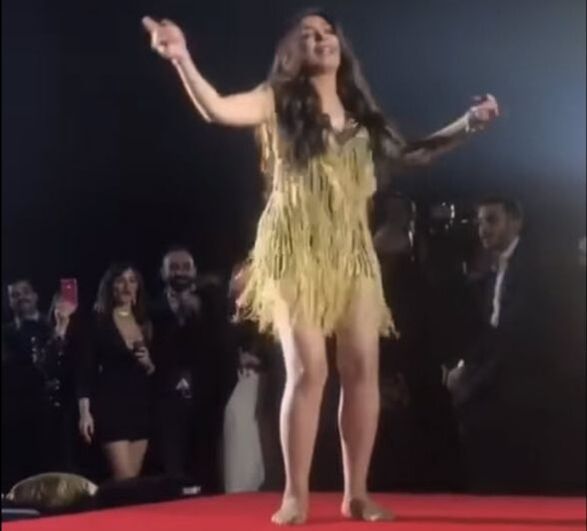 Arab-Brazilian belly dancer Najla Ferreira performing in Cairo to Bint el Giran Other Dancers' Take On Mahraganat Other belly dancers have recently shared their own information about mahraganat. See their take below: Amaria Selene (USA/Egypt) - About Mahraganat Shahrzad (USA/Egypt) - WTF IS MAHRAGAN?! WHY ARE PEOPLE BELLY DANCING TO IT?! About Our Guest Author Aasiyah is a lifelong dancer and raqs sharqi instructor who specializes in modern Egyptian technique. Known for fusing masculine and feminine elements in her dance, Aasiyah's authentic style has been developed from years of dedicated study of Egyptian dance, culture, and language. You can visit this page to learn from Aasiyah. Was This Post Helpful?Did you learn something from this post? Would you like to see more posts about mahraganat? Hit "like" below and leave a comment with your feedback!
If you liked this article, you can visit our blog map to find other posts about Arabic music, belly dance and other related topics. Or subscribe to our newsletter to be the first to see more content from us! Happy learning, and happy dancing!
3 Comments
While belly dance in its most basic forms may have existed for centuries, or possibly millennia, it was only over the last 100 years or so that it really began to take the shape we have come to recognize and refer to as "raqs sharqi"--or belly dance--today, thanks in large part to these incredible women who made history as belly dance stars in Egypt. In this timeline of famous Egyptian belly dancers, you will learn a little bit about each woman and their influence on the dance as well as see them in action, thereby getting a glimpse into how this dance has changed and evolved over the years. So sit back, relax, and enjoy the show! Badia Masabni (1892 - 1974) - The Godmother of Belly Dance 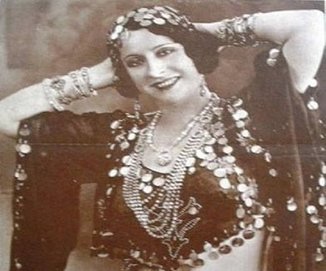 Badia Masabni was a Syrian/Lebanese actress and dancer who moved to Egypt and opened the first music hall in Cairo in the 1920's which featured singing, dancing, and other entertainment acts. She is credited with adapting belly dance from its social and folkloric roots into a dance that is done on the stage to entertain a large audience. The usage of ballet-inspired arms and lines, greater use of space and traveling steps, and the incorporation of the veil as a prop can all be traced back to this woman, who is understandably referred to as "The Godmother of Belly Dance." She is also credited with being a mentor to two major belly dance figures, Samia Gamal and Tahiya Carioca. 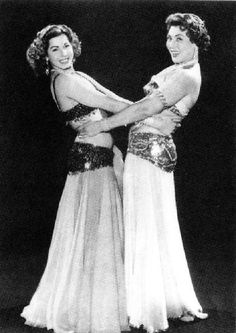 Tahiya Carioca (1915 - 1999) - The Marilyn Monroe of the Arab World 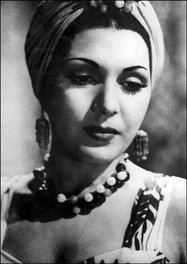 Eventually dubbed the "Marilyn Monroe of the Arab World," Tahiya Carioca began her belly dance career at Badia Masabni's Casino Opera where she rose to become one of its biggest stars. She was given the surname "Carioca" due to her fascination with Brazilian rhythms and dance, which she incorporated into her performances. She began appearing in films in 1935, going on to become an important part of Egyptian movie history. The height of her fame occurred during the "Golden Age" of Egyptian cinema in the 1940's and 50's, and she continued to dance until 1963. Samia Gamal (1924 - 1994) - The National Dancer of Egypt 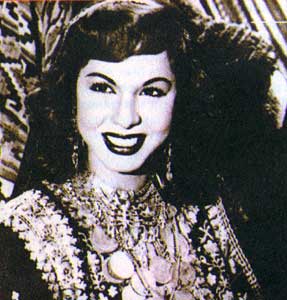 Another Badia Masabni protegé and Golden Age star, Samia Gamal would eventually be proclaimed by Egypt's King Farouk as the "The National Dancer of Egypt." Samia was not only one of the most famous belly dancers of her time, but was also a very successful actress, having appeared in over 50 movies throughout her career. She also performed in international films and clubs, helping bring worldwide attention and recognition to this dance. As a dancer, she was known for her beautiful arm movements and enchanting smile. Naima Akef (1929 - 1966) - Bellydancing Acrobat 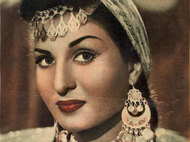 Naima Akef began her performing career as a child at her family's circus, where she performed as an acrobat. After the circus disbanded, she eventually found work as a singer and belly dancer in Cairo's famous nightclubs, and in the 1940's she began singing, dancing and acting in movies as well. She was lost to cancer at the young age of 37, but not before having become a Golden Age star in her own right, forever making her mark in this dance form with her fast and energetic spins, dramatic arm and leg movements, and impressive displays of acrobatics. Nagwa Fouad (1936 - present) - Queen of Raqs Sharqi
By the 1970's, Nagwa had become one of the most important belly dancers in Egypt, but her reputation reached far beyond Egypt as she performed all over the globe throughout her career. Every famous personality who came to visit Egypt would come to see Nagwa perform, including former U.S. Secretary of State Henry Kissinger and President Jimmy Carter. By the time she retired, Nagwa Fouad had had a very impressive and versatile 45-year career in dance and film, having appeared as a dancer in over two hundred and fifty films and acted in more than one hundred! Soheir Zaki (1944 - present) - The Om Kalthoum of Dance
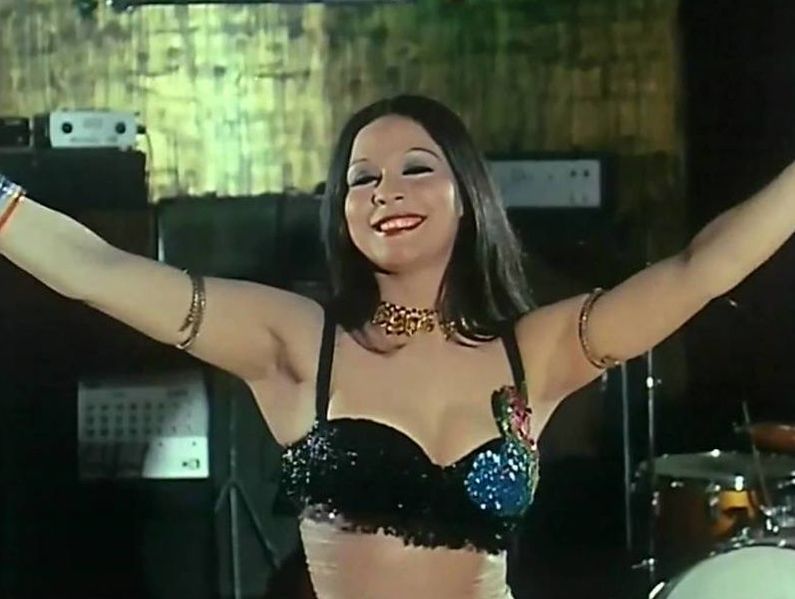
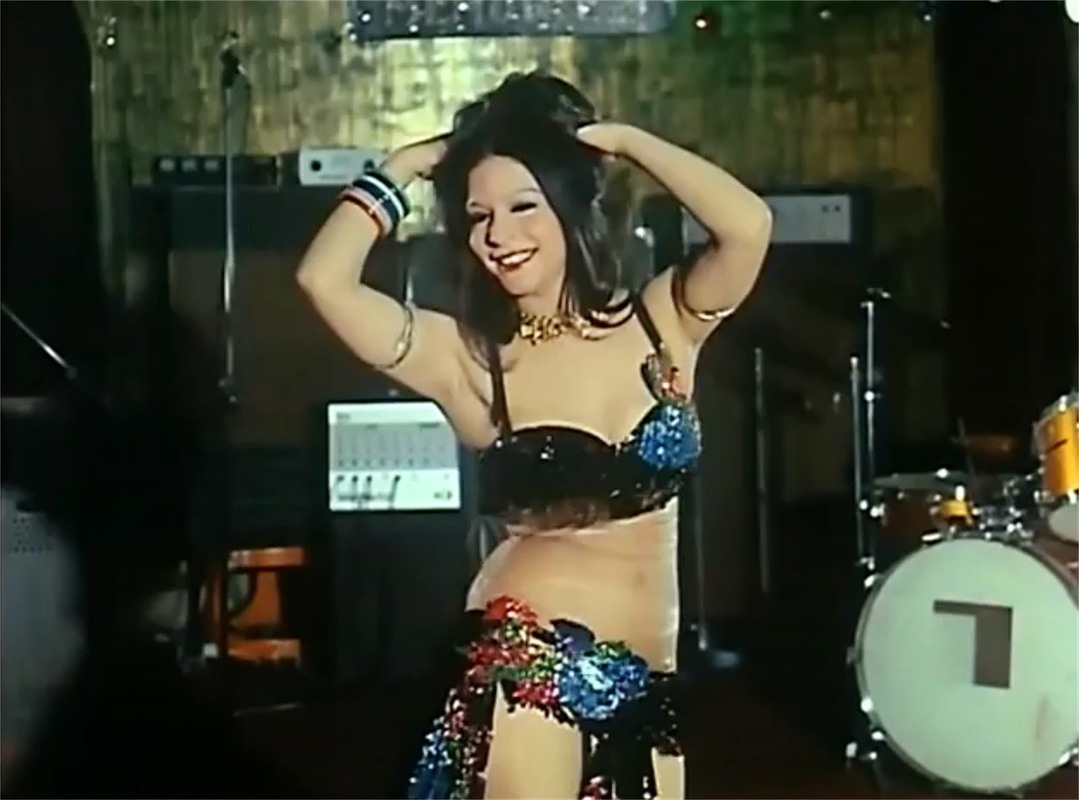
Fifi Abdo (1953 - present) - Queen of Baladi 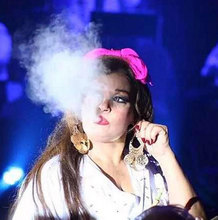 As a child, Fifi Abdo would watch the films of the likes of Tahiya Carioca, Naima Akef, etc, and copy their moves. She started performing belly dance at age 13 and thanks to her hard work, talent, and toughness, she rose to become a top belly dancer and actress in Egypt in the 1980's and 90's, and today she is one of the wealthiest women in the country! In her films, she usually portrays empowered female archetypes, and her work is often provocative and controversial for its boldness. While Fifi is an amazing all-around belly dancer, she is best known for being the embodiment of baladi: the simple, earthy, grounded, country style of dance from which raqs sharqi originated. Mona Said (1954 - present) - The Bronze of The Nile 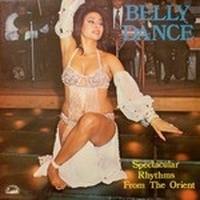 Mona Said began her belly dance career at age 13 after being encouraged to become a dancer by a nightclub owner and a big-name singer who had spotted her dancing at a disco. She left Egypt in 1970 to perform in Lebanon for a few years, fleeing her father who was disapproving of her career choice. In Lebanon she found fame before returning to Cairo in 1975. She then went on to perform between Cairo and London for the next 5 years, and became one of the top belly dancers in Egypt through the 80's and 90's. Mona was nicknamed "The Princess of Raqs Sharqi" by Tahiya Carioca herself, and "The Bronze of the Nile" by Egypt's media. Mona is best known for her feeling and emotion when dancing. She does not believe in counting music, but instead in focusing on the feeling and allowing it to take over in the moment. She is a perfect example of the "less is more" philosophy applied in belly dance, milking every beat and every note in the music, giving it no more and no less than what is called for, building up energy only when the music builds, all while expressing a variety of different emotions and personalities. Dina (1965 - present) - The Last Egyptian Dancer 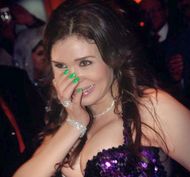 Dina began her dancing career in the 1970's training with Mahmoud Reda, co-founder of Reda Troupe, a group of Egyptian folkloric dancers that toured nationally and internationally. She began her solo career in the 80's, quickly rising to the top of the belly dance scene in Cairo and remaining there up to this date, in a difficult and evolving social and political landscape. Times have changed in Egypt, and the pendulum has been swinging further and further towards religious conservatism over the past few decades. In a 2008 article, Newsweek called Dina "The Last Egyptian Dancer," in reference to the growing conservatism in the country which is causing fewer and fewer native-born women to become professional dancers. This, coupled with Dina's provocative costumes and movements, have made her into a very controversial figure in her country and abroad. But whether you love her or hate her, her influence in modern Egyptian style is undeniable. Dina herself is the clear dividing line between the vintage and classic styles that came before her and the modern styles that exist today. Her Reda-influenced steps marked the beginnings of new trends in belly dance which favor more complex footwork and weight shifts. Her exaggerated and dramatic facial expressions and gestures, sharper hip and pelvic accents and slower and more provocative hip circles have been copied all over Egypt and the world. Her daring bras showcasing ample cleavage became the new normal in belly dance costume design (the "Dina bra"), and her occasional choice of a mini-skirt over traditional full-length skirts created new trends that are still being followed and developed upon all over the world today. Newsweek may have dubbed Dina "The Last Egyptian Dancer," but she is far from it. We are certainly no longer in the heyday of belly dance in Egypt, but many new dancers have popped up since Dina, and they continue to set their own trends today. They won't be covered in this blog post, but may be covered in future posts so please stay tuned! I encourage you to keep reading and watching belly dance videos to find out more about this dance, its influential figures, its history around the world, and the myriad of different styles that fall under the belly dance umbrella! Sources:
Badia Masabni Wikiwand - Badia Masabni Bellydance Superstars of the Past - Badia Masabni Gilded Serpent - Badia Masabny Star Maker of Cairo Tahiya Carioca Wikiwand - Taheyya Kariokka Belly Dance Museum - Taheya Carioca New York Times - Tahia Carioca, 79, Dies; A Renowned Belly Dancer Samia Gamal Wikiwand - Samia Gamal Belly Dance Museum - Samia Gamal Google Doodle just honored this iconic Egyptian dancer Naima Akef Wikipedia - Naima Akef Serpentine - Naima Akef Nagwa Fouad An Uncommon Woman - Nagwa Fouad, Queen of Oriental Dance Soheir Zaki Serpentine - Sohair Zuki Belly Dance Museum - Soheir Zaki Fifi Abdo Wikipedia - Fifi Abdou Serpentine - Fifi Abdo Mona Said Mona el Said Mona El Said Gilded Serpent - Mona el Said in Dallas, Part 1 Mona El Said: Moving in Mysterious Ways Dina Wikipedia - Dina Talaat DINA at the MENA! Newsweek - Saudis and the Last Egyptian Belly Dancer |
AuthorYamê is a Brazilian-American View Posts By CategoryIf you'd like to read more articles by Yamê or SharqiDance's guest authors, please view our blog map here.
Archives
January 2024
|
 RSS Feed